
Favoritism in the Workplace: Identification, Implications, and Prevention
Last updated
9 min read

Table of contents
- Understanding favoritism in the workplace
- Types of favoritism at work
- Recognizing signs of workplace favoritism (with examples)
- Psychological underpinnings of favoritism
- Impact of favoritism on the workplace
- How to address favoritism in the workplace
- Case studies
- Champion equity in the workplace
Share this article
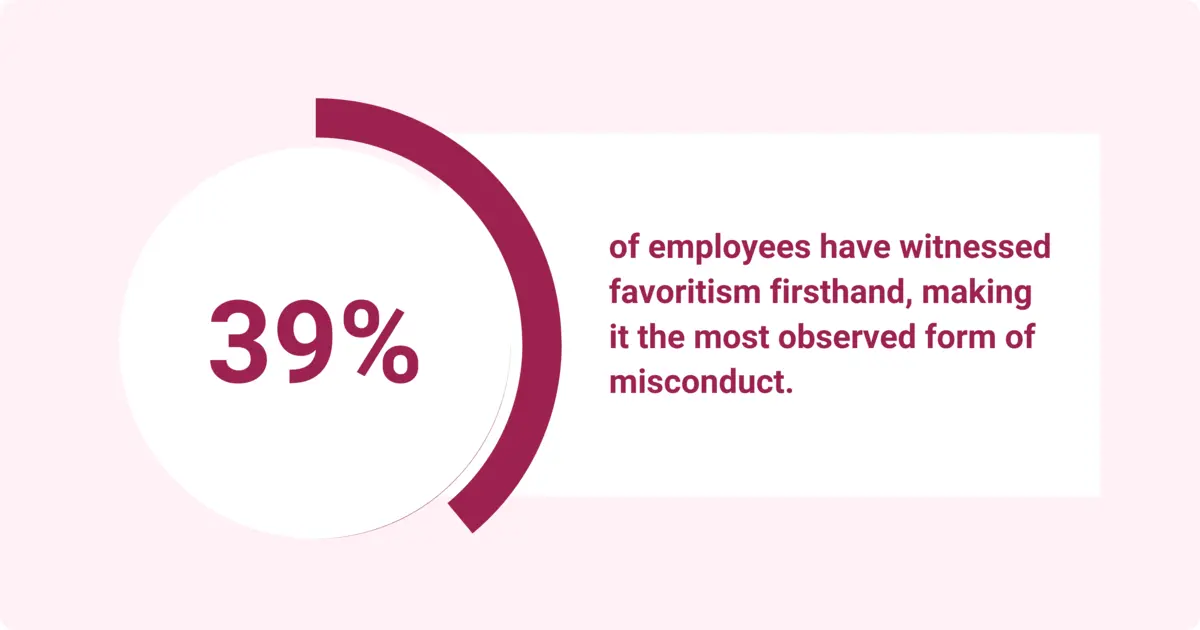
Favoritism in the workplace is a widespread but often overlooked issue. The Global Business Ethics Survey® (GBES®) by ECI found that 39% of employees had witnessed favoritism firsthand, making it the most observed form of misconduct.
At first glance, favoritism may not seem like a big deal. After all, everyone has coworkers they get along with better, right? But favoritism goes beyond casual friendships or the occasional lunch invite. It can create a toxic work environment and even lead to legal issues.
Discover the many forms of workplace favoritism and how it affects all employees, both the favored and the unfavored. We’ll also share practical strategies for addressing this issue.
Understanding favoritism in the workplace
Workplace favoritism can be hard to identify. Maybe a manager only gives the most glamorous tasks to one employee — that’s clearly preferential treatment, right? But what if that employee happens to be the most skilled in those areas? Suddenly, the situation becomes muddied.
Here's a closer look at the meaning of favoritism and when it crosses the line from unfair to downright illegal.
Definition of favoritism
Let’s return to the scenario above. If the employee gets special treatment because they’re friends with the manager, that would be favoritism. But if they’re consistently given tasks because of their expertise, it may simply be a valid recognition of their skills.
So, where should you draw the line? It’s natural to feel a stronger connection to some people. You and a coworker might have a similar sense of humor and send memes back and forth all day. Or maybe you admire a colleague’s creativity.
However, these connections can become dangerous when they influence professional decisions. You may love joking with your colleagues, but that doesn’t mean you should give them an unearned promotion, especially if you pass over more deserving employees.
Legal implications
There’s no law outright banning favoritism in the workplace. But it becomes illegal when it involves discrimination based on protected characteristics.
Racism in the workplace, for instance, often goes hand-in-hand with favoritism. People of color might consistently get paid less than their white colleagues or not get the same opportunities.
Businesses that discriminate against employees may face significant penalties, including compensatory and punitive damages, under EEOC laws prohibiting employment discrimination. For businesses with 15 to 100 employees, the EEOC caps these damages at $50,000.
Meanwhile, businesses with more than 500 employees may pay up to $300,000. In other words, discrimination isn’t just unethical — it’s a major legal liability.
Types of favoritism at work
Favoritism can show up in different ways, and the reasons behind it aren’t always the same. Keep an eye out for these common types.
Nepotism
You’ve probably heard the saying, “It’s who you know, not what you know.” This phrase is essentially the definition of nepotism. It happens when team leaders give preferential treatment to their family members.
A study by Matthew Staiger of Opportunity Insights, titled The Intergenerational Transmission of Employers and the Earnings of Young Workers, found that 29% of Americans work for a parent’s employer at least once before turning 30. These individuals earn nearly 20% more than peers who don’t benefit from such family connections, revealing how nepotism can significantly boost early-career earnings.
Cronyism
Leaders who favor their friends or close associates are guilty of cronyism. This often leads to people getting key positions or perks they don’t deserve.
Friendships are more fluid and less formally defined than family relationships, making cronyism harder to quantify. Still, the study How Do Personality and Organizational Politics Affect Attitudes Toward Cronyism? (Arasli et al., 2019) found that “cronyism is prevalent in the culture of every organization,” suggesting it may be more common than we think—even if it flies under the radar.
Patronage
Unlike nepotism and cronyism, patronage involves giving special treatment to people based on loyalty, not personal ties. If an employee supports an executive’s agenda, for instance, they might get rewarded with a cushy and undeserved promotion.
Recognizing signs of workplace favoritism (with examples)
How do you prove favoritism at work? Proving favoritism can be tricky. You’ll need to know how to spot it and collect evidence. Here are a few examples of bias in the workplace that may be signs of favoritism.
Unequal opportunities
Unequal treatment is a tell-tale sign of favoritism. Certain people may get promoted faster, even when other employees seem more qualified or deserving. Some individuals may have more career development opportunities, like extra training or special projects.
In 2022, an Amazon audit revealed that many employees were concerned about unequal opportunities. A 2024 Seattle Times article by Lauren Rosenblatt titled “Amazon’s audit found perceptions of racial inequity in its warehouses” reported on internal findings that revealed significant concerns among warehouse workers regarding racial fairness in promotions and disciplinary actions.
Amazon’s own data backs up this claim. While 78% of Amazon’s Level 1 and Level 3 employees are racially or ethnically diverse, only 58% of those at Levels 4 through 7 are. This finding suggests that white employees are more likely to be promoted or hired for advanced roles at Amazon.
Biased task allocation
Businesses can also practice favoritism when they assign tasks. You may notice an unfair distribution of assignments where some employees always get the easiest or the most desirable projects while other team members get stuck with the drudge work.
A 2021 Eater New York article titled “Former Employees Allege Toxic Work Environment at Buddakan” reports that three Black former servers at the upscale Manhattan restaurant claimed they were consistently assigned lower-paying shifts than their non-Black coworkers.
According to their allegations, shifts were distributed based on favoritism rather than tenure or merit, disproportionately disadvantaging servers of color and contributing to a toxic workplace culture.
Selective recognition
Sometimes, favoritism means particular employees get more acknowledgment or rewards, even if others are contributing just as much. This can quickly build resentment among those who feel overlooked.
A 2020 Yahoo Tech article titled “Facebook's latest misstep on race: Ignoring its own internal research, employees say” about racial bias in Facebook's content moderation practices reveals that, in 2019, Facebook repeatedly ignored and suppressed internal research showing racial bias in how the platform removes content. In other words, Facebook didn’t just fail to acknowledge their work — it actively shut it down.
Exclusive access
Favored employees often get privileged access to leadership or resources. They might get more face time with managers, making it easy to get extra mentorship. Or maybe they always have the best equipment, so they finish projects faster than others.
An HR Dive article titled “Wells Fargo saleswoman alleges sex discrimination, ‘boys’ club’” reports that, in 2024, a female salesperson sued the company over exclusive access to better clients. She claimed “her employer gave large, more profitable accounts to her male colleagues because they were ‘sole breadwinners,’ while she was a ‘second income’ for her husband.”
As a result, the salesmen allegedly earned more and advanced their careers faster than their female colleagues.
Psychological underpinnings of favoritism
Affinity bias
It’s natural to feel drawn to people who are like you. After all, it’s easy to bond with someone who shares your background or interests. But when this leads to favoritism, it’s known as affinity bias.
This type of bias often happens unconsciously. For example, an HR specialist might favor job candidates who went to the same college or have the same type of pet. If this preference influences their hiring decisions, it’s a clear case of favoritism.
In-group vs. out-group dynamics
Humans tend to form in-groups. People with certain traits are seen as part of the “in” group, while others are excluded as outsiders. It’s the classic "us vs. them" mentality.
In-groups are a normal part of human nature. We’re wired to belong to small groups, thanks to evolution. However, these relationships can quickly lead to favoritism. Managers may unknowingly prefer to reward employees in their in-group or view the out-group more negatively.
Impact of favoritism on the workplace
Favoritism can have a huge impact on employees and the work environment. Here are a few negative consequences.
Employee morale and engagement
Nothing kills morale like preferential treatment. Unfavored employees may feel like the odds are stacked against them, no matter how hard they work. Unsurprisingly, employee engagement and job satisfaction tend to plummet.
Trust in leadership
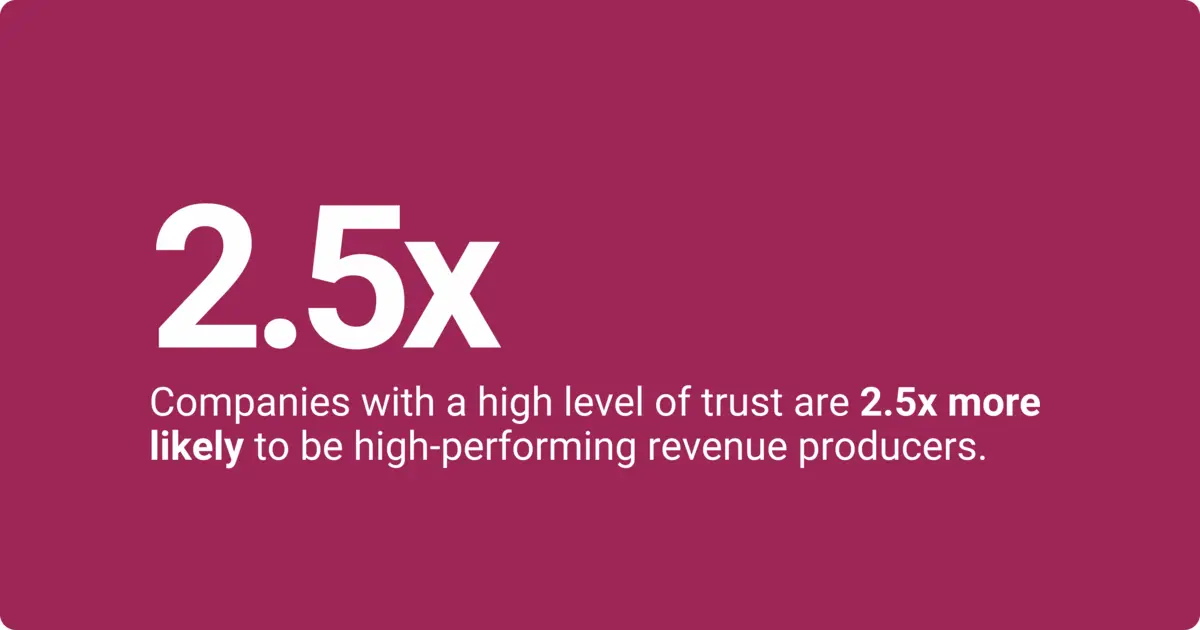
According to Workhuman® research, companies with a high level of trust are 2.5 times more likely to earn high revenue. When talented employees believe their leaders are biased, they’re less likely to trust them, and that directly affects the bottom line.
Team dynamics
Even the best groups have complex social dynamics. Add in favoritism, and you have a recipe for conflict. Team members might start resenting each other for perceived unfairness or refuse to work with those in the out-group. These toxic dynamics can seriously undermine collaboration and stifle productivity.
Turnover rates
Sooner or later, unfair practices will cause employees to start looking for more supportive work environments. As a result, businesses that practice favoritism may end up with higher turnover rates.
How to address favoritism in the workplace
Now that you understand the signs of favoritism, what can you do when you spot it? It depends on your role. Here are some practical strategies for employees, managers, and leadership.
For employees
Witnessing favoritism isn’t pleasant. But as an employee, you have more power than you might realize. Use these strategies to address the issue.
Documenting instances
Keep detailed records whenever you notice favoritism and other signs of a toxic work culture. Be sure to include:
These notes will come in handy if you need to advocate for fair treatment or, in the case of discrimination, report the issue to the EEOC. They can also help you spot patterns that might not be immediately obvious. If you realize that women of color always get passed over for promotions, for instance, you’ll have documented evidence to show the leadership.
Communicating concerns
Don’t just stew over the issue in silence. Consider bringing up your concerns about favoritism to HR or a trusted manager. It might feel awkward, but sticking to the facts and explaining how bias is affecting the company could lead to change.
Maintaining professionalism
Favoritism can be incredibly frustrating, but don’t lose your temper. Always be calm and polite, even in the face of challenges. By staying professional, you’ll increase the chances that others will listen to your concerns.
For managers
As a manager, it’s your responsibility to prevent favoritism and treat all team members fairly. Here’s how to tackle this issue.
Self-assessment
You might not realize that some of your decisions are a little, well, biased. That doesn’t mean you’re a bad person — all humans have unconscious biases. The key is recognizing them so you can help create a more inclusive environment.
Take the time to honestly reflect on your actions and ask yourself if they’re shaped by potential biases. With a little self-awareness, you can control these impulses instead of letting them take over.
Transparent decision-making
Even the perception of favoritism can damage your relationship with your team. Here are a few ways to avoid this risk:
- Create clear criteria for promotions and raises.
- Explain how you assign tasks.
- Offer consistent and constructive feedback so employees know where they stand.
- When employees understand the reasons behind your decisions, they’re less likely to see them as unfair.
Supporting all team members
This might seem obvious, but you should offer equitable support and development for your entire team. This could mean carving out equal time for mentorship or offering the same amount of training for all. These simple actions can go a long way in building trust in leadership.
Organizational strategies
While it’s easy to blame individual leaders, favoritism is often deeply rooted in an organization’s culture. That means it often takes sweeping changes to truly address this issue. Use these tactics to promote fairness and keep everyone accountable.
Policy development
Don’t leave it up to your employees to regulate themselves. They might not recognize that they’re biased — or worse, not care about favoritism if it benefits them.
- Avoid misunderstandings by creating explicit policies against favoritism. These guidelines should include:
- Clear definitions of nepotism and other types of favoritism
- Fair policies for hiring and promotion
- Consequences for policy violations
Be sure to involve employees from diverse backgrounds in this process. With their input, you can spot any gaps in your safeguards and help protect all employees.
Training programs
Inclusivity training shouldn’t be a one-time thing. Demonstrate that you’re committed to fairness by offering regular workplace DEI training. For example, you could organize workshops about unconscious bias or set up role-playing exercises to teach fair hiring practices.
Reporting mechanisms
Employees often feel uncomfortable calling out favoritism, especially if they’re afraid of retaliation. Make it easy for them to express their concerns by setting up safe and anonymous reporting channels. This could be a phone line, an anonymous survey, or even an old-fashioned suggestion box.
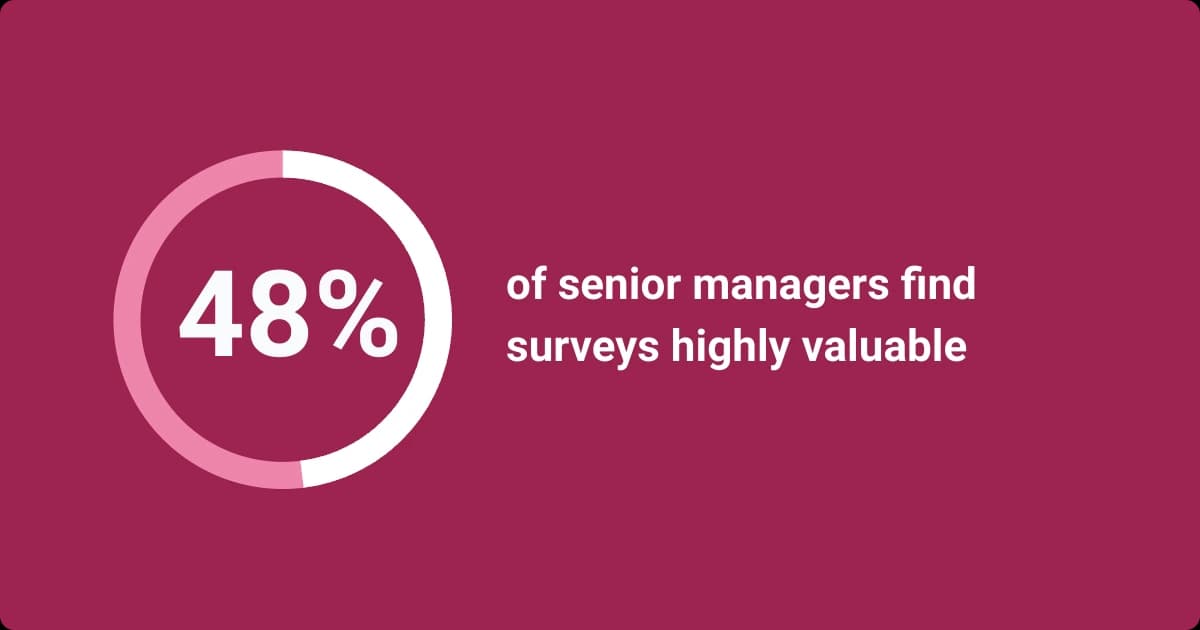
Employee surveys are a great way to take pulse checks, too. These tools are second to none when it comes to tracking your team’s job satisfaction and engagement. Plus, you can use them to check if your staff believes you’re handling promotions and growth opportunities fairly.
But don’t just type up a quick survey and hit “send.” Set up these assessments carefully to avoid common mistakes, such as sending questionnaires too frequently or asking biased questions.
Case studies
Unconscious biases can make it challenging to spot favoritism within your organization. That’s where case studies come in handy. By looking at examples of unfair practices in other businesses, you can become more attuned to them in your workplace.
Real-world examples
A 2024 Santa Fe Reporter article titled “Thornburg CEO Accused of Sexual Favoritism Announces Resignation” details how CEO Jason Brady was accused of giving preferential treatment to an employee he was romantically involved with. When another employee raised concerns about the favoritism, he was allegedly terminated. After the former employee filed a lawsuit against the company, Brady announced his resignation.
These case studies illustrate how favoritism can lead to financial and legal issues. As the Thornburg story demonstrates, preferential treatment can also disrupt leadership and harm an organization’s reputation.
Lessons learned from addressing favoritism
Of course, it’s not all negative. Many companies have successfully tackled favoritism in the workplace. These uplifting case studies can spark inspiration and help you learn winning strategies.
A 2022 Guardian article titled “Nike lawsuit records allege culture of sexism, bullying, and fear of retaliation” reported that the sportswear company was sued for gender discrimination, with over 5,000 pages of evidence detailing unequal treatment and inappropriate behavior toward women.
Nike addressed this criticism by promoting more women to executive positions and improving pay equity. While these actions can’t solve bias overnight — cultural shifts take time — they demonstrate the business’s commitment to creating a more inclusive workplace.
Champion equity in the workplace
Favoritism in the workplace is a serious but often unacknowledged issue. Preferential treatment and higher compensation to certain individuals can impact everything from employee morale to good organizational culture. It also means only favored employees get the opportunity to flourish.
Help employees reach their full potential by prioritizing equity and fairness. Get started by conducting an anonymous survey to see if your other team members perceive any favoritism.
Once you’ve identified biases, combat favoritism with inclusivity training or new policies, with a little planning, you’ll create a safe workplace where all employees can succeed.

Workhuman Editorial Team
More by Workhuman Editorial TeamRecommended for you