
Top Performance Management Skills Every Manager Needs
Last updated
7 min read

Mastering performance management skills is crucial for any manager looking to enhance team productivity and employee satisfaction. Gallup research showsOpens in a new tab that 50% of employee-manager challenges lead to half of an organization's turnover.
In this post, you’ll gain insights into the essential skills needed for successful performance management, from communication and analytical skills to strategic planning and leadership.
By developing these skills, you can increase your effectiveness in management, driving your team toward success, aligning individual performance with business objectives, and fostering a culture of continuous improvement.
The importance of performance management skills
Performance management is the structured approach managers use to help employees achieve their best work. It's about setting clear expectations, monitoring progress, providing feedback, and fostering ongoing development. In essence, it's aligning individual performance with organizational goals.
Effective performance management relies on key managerial skills. Clear communication ensures expectations and feedback are understood. Analytical skills enable data-driven decision-making. Strategic skills support setting SMART goals and planning long-term success. Leadership skills, like inspiring and motivating teams, are vital for a productive work environment.
Consider this: 70% of the variance in an employee’s engagement – the level of psychological commitment to work – ties back to the immediate supervisor. Why? A good manager guides their employees to tap into their talents in pursuit of higher performance.
A successful manager leverages these opportunities to win employee buy-in and align an individual’s purpose in life with their role in the workplace. In short, mastering performance management skills isn't just a managerial task – it's a strategic advantage.
Key skills for effective performance management
Goal setting and alignment
This involves:
- SMART goals: Setting specific, measurable, achievable, relevant, and time-bound goals to provide clear direction and measurable outcomes. For example, instead of setting a vague goal like "improve sales," a SMART goal would be to "increase sales by 10% within the next quarter by targeting new customer segments."
- Communication: Clearly articulating expectations and the significance of each goal to team members. This involves not only stating the goals but also explaining why they are important and how they contribute to the larger organizational vision.
- Alignment: Ensuring individual goals are in sync with team and organizational objectives to foster a cohesive effort towards common goals. Regular meetings to review and adjust goals as necessary ensure everyone is moving in the same direction.
Continuous feedback and communication
Clear and transparent communication skills are a critical element in the performance management process. When managers articulate expectations and provide feedback with clarity, employees are more likely to understand their roles and responsibilities.
Key practices include:
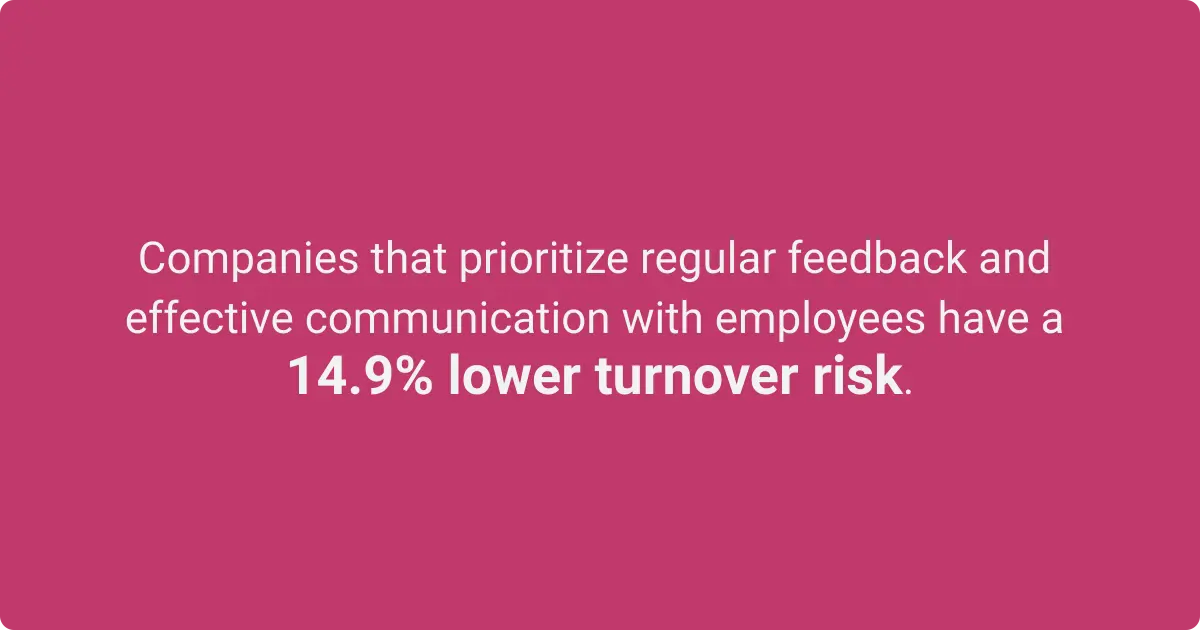
- Provide regular feedback: Offer constructive feedback frequently to help employees stay on track and continuously improve their performance. This can be done through employee performance reviews, regular check-ins, and real-time feedback.
- Encourage open dialogue: Create an environment where employees feel comfortable sharing their thoughts, concerns, and ideas. This can be achieved by being approachable, actively listening, and fostering a culture of trust and transparency.
- Recognize achievements: Acknowledge and celebrate successes to motivate and engage the team, reinforcing positive behaviors and outcomes. Recognition can be in the form of verbal praise, awards, or other incentives that show appreciation for hard work and achievements.
Performance monitoring, reviews, and evaluation
Monitoring and evaluating performance is essential for understanding progress and identifying areas for improvement. Managers should focus on the following:
- Use metrics and KPIs: Implement key performance indicators (KPIs) and other metrics to objectively measure performance and track progress. These metrics should be relevant to the goals set and provide clear indicators of success or areas needing improvement.
- Conduct regular reviews: Schedule periodic performance reviews to assess progress, provide feedback, and set new goals. These reviews should be structured with clear criteria and documentation to ensure fairness and consistency.
- Document performance: Keep detailed records of performance to support employee performance evaluations, identify trends, and inform future planning. Documentation helps in making data-driven decisions and provides a basis for discussions during performance reviews.
Analytical skills
Managers must also possess technical expertise to accurately interpret performance data and make informed decisions.
Here’s how to leverage analytical skills:
- Performance analysis tools: Tools like performance management software (e.g., Conversations from Workhuman) enable managers to track progress, identify trends, and pinpoint areas needing improvement. These tools provide a clear, quantifiable view of performance, facilitating informed decisions that drive better outcomes.
- Data interpretation: Managers need to be adept at interpreting data and extracting meaningful insights. This involves understanding various data sources, analyzing patterns, and making connections that inform strategic decisions.
- Targeted interventions: By harnessing the power of data, managers can implement targeted interventions and measure their impact. This continuous cycle of analysis and adjustment helps refine approaches to enhance overall performance.
Conflict resolution
Conflicts can arise in any workplace, and effective performance management involves addressing and resolving these issues promptly. Managers should:
- Identify the root cause: Understand the underlying issues causing the conflict to address them effectively. This involves active listening and empathy to understand all perspectives involved.
- Mediate discussions: Facilitate open and respectful conversations between conflicting parties to reach a resolution. This might involve setting ground rules for discussions, ensuring everyone has a chance to speak, and focusing on finding mutually acceptable solutions.
- Implement solutions: Develop and implement strategies to resolve conflicts and prevent future occurrences, fostering a harmonious work environment. This could involve setting clear expectations, improving communication channels, or providing training on conflict resolution skills.
- Conflict resolution is a critical competency that managers must master to maintain a harmonious work environment.
Adaptability and flexibility
The business environment is constantly changing, and managers must be adaptable and flexible in their performance management approach. This includes:
- Embracing change: Being open to new ideas, approaches, and technologies. This might involve staying informed about industry trends, attending relevant workshops, or encouraging innovation within the team.
- Adjusting goals: Revising goals and strategies as needed to align with changing circumstances and market conditions. This requires regular review and a willingness to pivot when necessary.
- Encouraging innovation: Fostering a culture of innovation and continuous improvement to stay competitive and agile. This can be achieved by encouraging creative thinking, rewarding innovative ideas, and providing the resources needed to experiment and implement new solutions.
Emotional intelligence
High emotional intelligence leads to higher engagement, satisfaction, and overall better employee performance. Key components of EI include:
- Self-awareness: Recognizing one's own emotions and their impact on others, leading to better self-regulation. This involves being mindful of one's emotional triggers and responses and working to manage them effectively.
- Empathy: Understanding and being sensitive to the emotions of team members, which helps build strong relationships and trust. Empathy involves active listening, showing genuine concern, and being supportive in times of need.
- Relationship management: Building and maintaining positive relationships within the team, which is crucial for a collaborative and supportive work environment. This includes effective communication, conflict resolution, and fostering a sense of community and belonging.
Problem-solving skills
Problem-solving is a critical skill for managers, involving the analysis of situations, brainstorming potential solutions, and implementing the most effective one. Think of it as being a detective piecing together clues to solve a case. Effective problem-solving includes:
- Identify problems early: Recognize issues before they escalate by staying attuned to team dynamics and performance metrics. Early identification allows for timely intervention and resolution.
- Analyze root causes: Use analytical skills to understand the underlying causes of problems rather than just addressing symptoms. Techniques like the "5 Whys" or root cause analysis can be helpful.
- Develop and implement solutions: Brainstorm potential solutions, evaluate their feasibility, and implement the most effective ones. This involves collaboration with the team to ensure buy-in and successful execution.
- Evaluate outcomes: After implementing solutions, assess their effectiveness and make necessary adjustments. Continuous improvement is key to refining problem-solving approaches.
Coaching and development
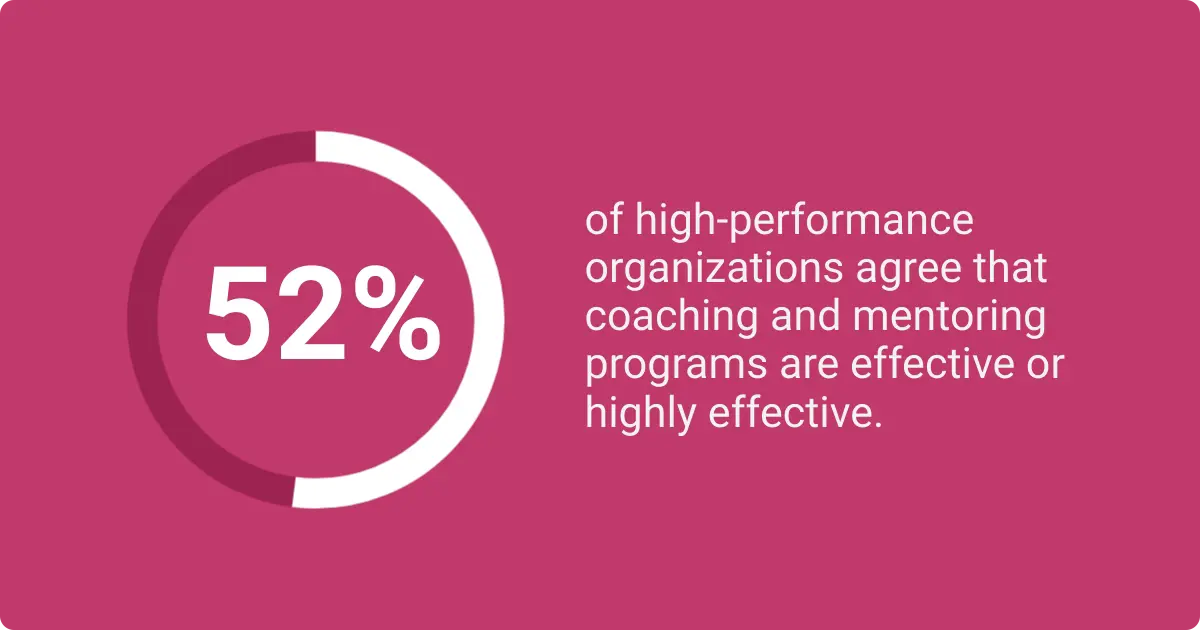
A significant part of performance management is helping employees grow and develop their skills. A coaching culture fosters continuous learning and development, encouraging employees to reach their full potential.
This approach enhances individual performance and contributes to a more dynamic and capable team. Developing strong coaching skills is essential for guiding employees through their career development and helping them achieve their goals. Key aspects include:
- Identify development needs: Assess individual strengths and areas for improvement to tailor development plans. This might involve using tools like 360-degree feedback, self-assessments, or performance appraisals.
- Provide training opportunities: Offer relevant training and development programs to enhance employees’ skills and competencies. This could include workshops, online courses, mentoring programs, or on-the-job training.
- Mentor and coach: Act as a mentor to guide employees through challenges, provide advice, and help them achieve their career goals. Effective coaching involves asking open-ended questions, providing constructive feedback, and helping employees find their own solutions.
Decision-making
Managers need to make timely, well-informed decisions that benefit both the team and the organization. This involves weighing options, considering potential outcomes, and choosing the best course of action. Picture yourself as a chess player, thinking several moves ahead to outmaneuver challenges. Effective decision-making includes:
- Balancing intuition and data: Great decision-making balances intuition with data-driven insights, ensuring that choices are sound and strategic. This involves using analytical tools and metrics to inform decisions while also considering the human element and potential impacts on the team.
- Strategic thinking: Strong decision-making skills enable managers to steer their teams confidently toward success, even in the face of uncertainty. This requires a strategic mindset, the ability to anticipate future challenges, and the flexibility to adapt plans as needed.
Leadership
In essence, great leadership drives exceptional team and organizational performance. Key aspects of effective leadership include:
- Inspiring and motivating: The best leaders recognize and celebrate achievements, motivate staff, and foster a sense of accomplishment. This can be done through regular recognition, team celebrations, and personal acknowledgements.
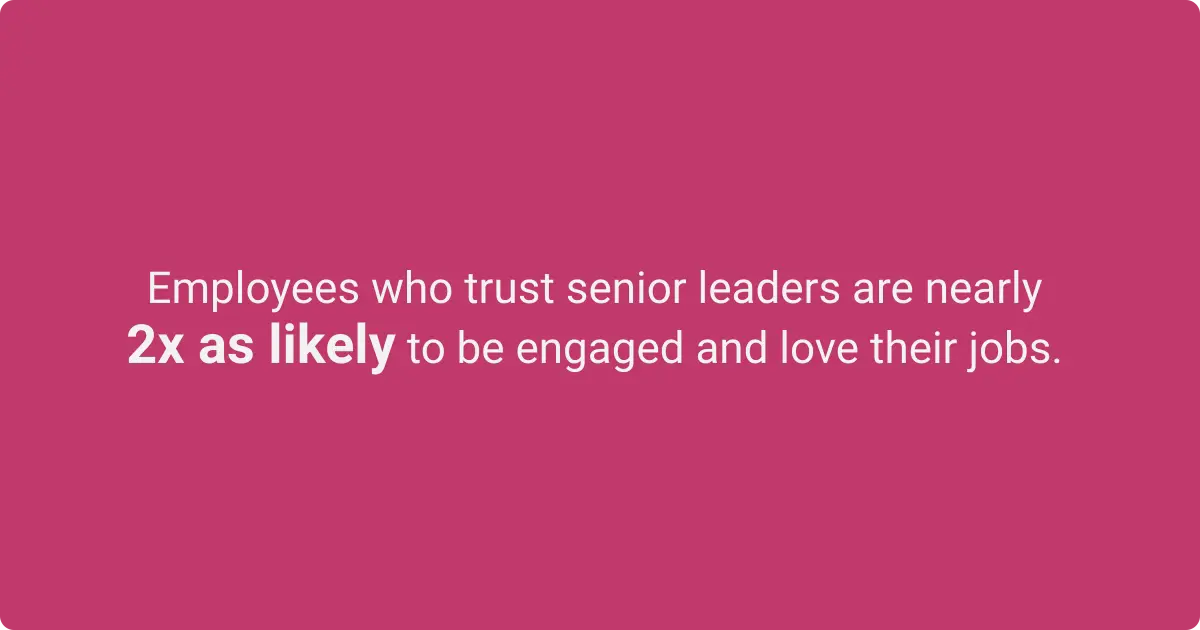
- Building trust and credibility: Building trust and credibility through transparency, consistency, and fairness is crucial. When employees trust their leaders, engagement and loyalty follow. This involves being honest, keeping promises, and treating everyone with respect.
- Creating a collaborative environment: Strong leaders create a collaborative environment, encouraging open communication and diverse perspectives, which enhances problem-solving and innovation. This includes facilitating team discussions, valuing input from all members, and fostering a culture of inclusivity.
How do effective management skills shape the overall performance of a company?
Effective performance management skills are pivotal in shaping the overall performance of a company. Here’s a detailed look at how these skills contribute to organizational success:
Improved employee engagement and productivity
Strong management skills foster positive employee-manager relationships, which are crucial for engagement. According to the Workhuman® Analytics & Research Institute, employees who have regular check-ins with their managers report higher engagement levels.
This continuous interaction helps employees feel more connected and valued, directly boosting employee engagement and productivity.
Enhanced team performance
Leadership skills and competencies that emphasize trust and open communication are critical for team performance. Research shows that when employees feel psychologically safe and trusted, they are more likely to collaborate effectively and contribute innovative ideas. This sense of safety and trust is built through regular, meaningful interactions between managers and their teams.
Increased innovation and adaptability
Effective managers encourage a culture of continuous improvement and innovation. By fostering an environment where employees feel comfortable sharing ideas and taking risks, managers can drive innovation and adaptability. This culture is essential for keeping the organization competitive and responsive to market changes.
Increased employee retention
Retention rates are significantly influenced by the quality of management. Employees who receive regular feedback and feel recognized for their contributions are more likely to stay with the company. According to the Workhuman® Analytics & Research Institute, frequent recognition and feedback reduce turnover rates and create a more stable and experienced workforce.
Conclusion
Mastering performance management skills is essential for any manager aiming to boost team productivity and employee satisfaction. These skills - ranging from goal setting and continuous feedback to analytical thinking and conflict resolution - align individual performance with organizational goals.
Effective managers foster a culture of continuous improvement, drive innovation, and enhance team cohesion through empathy, strategic decision-making, and strong leadership.
By excelling in these areas, managers can create a supportive, engaging work environment that reduces turnover and increases overall performance. Equip yourself with these essential skills for future success to lead your team effectively and ensure your organization thrives.

Workhuman Editorial Team
More by Workhuman Editorial TeamRecommended for you