
Talent Marketplaces: Unveiling New Avenues for Skills Matching
Last updated
9 min read

Table of contents
- What is a talent marketplace platform?
- The role of AI in talent marketplaces
- Organizational strategy and talent marketplaces
- Workforce development and upskilling
- Employee engagement and internal mobility
- Improving diversity, equity, and inclusion
- Planning and executing talent programs
- Managers as champions for talent mobility
- Metrics for success in talent marketplaces
- Case studies: Transforming talent marketplaces
- Conclusion
Share this article
Imagine stepping into a world where the puzzle of matching the right talent with the right opportunity is solved effortlessly.
Welcome to the era of talent marketplaces, a revolutionary shift in the way we approach hiring and career development. You're no longer confined to traditional recruitment lanes or limited by the boundaries of job boards.
Talent Marketplaces use advanced technology to unveil a world of career growth opportunities, seamlessly connecting diverse skill sets with roles that were once hidden. This isn't just about filling positions; it's about unlocking potential and fostering growth, creating a vibrant, dynamic workplace where every match is a step toward innovation and success.
Dive into the future of talent management, where every connection sparks transformation and paves the way for a thriving, fulfilling work environment.
What is a talent marketplace platform?
A talent marketplace platform transforms the way we think about talent management in our organizations. At its core, it's a two-sided system powered by artificial intelligence (AI) that matches employees with a variety of growth opportunities like short-term projects (gigs), mentorship programs, and full-time positions within the company.
This revolutionary approach goes beyond the traditional methods of talent management by providing employees with pathways for career growth, skill enhancement, and the chance to move within the company.
It's all about tapping into the potential that exists within your workforce, allowing your organization to be agile and well-prepared for the future demands of the business world.
By opening up career growth opportunities to everyone and supporting internal advancement, talent marketplaces serve the interests of both employers and employees. They enhance productivity across the board, champion diversity and inclusion, cut down on the costs associated with external hiring, and promote an environment where learning and development are continuous.
Talent marketplaces are not just a tool for talent management; they're a strategic asset for fostering a more dynamic, skilled, and satisfied workforce.
Evolution amidst and post-COVID-19
The COVID-19 pandemic catalyzed the evolution of talent marketplaces. Faced with unprecedented employment shifts, the demand for agile, flexible work arrangements surged. Consequently, organizations had to rapidly adapt, and many adopted internal talent marketplaces to utilize and develop their employees' potential.
These platforms have allowed businesses to respond swiftly to the changing dynamics. They have reshaped the concept of work to suit the remote and hybrid models that dominate the post-pandemic reality.
Types of talent marketplaces
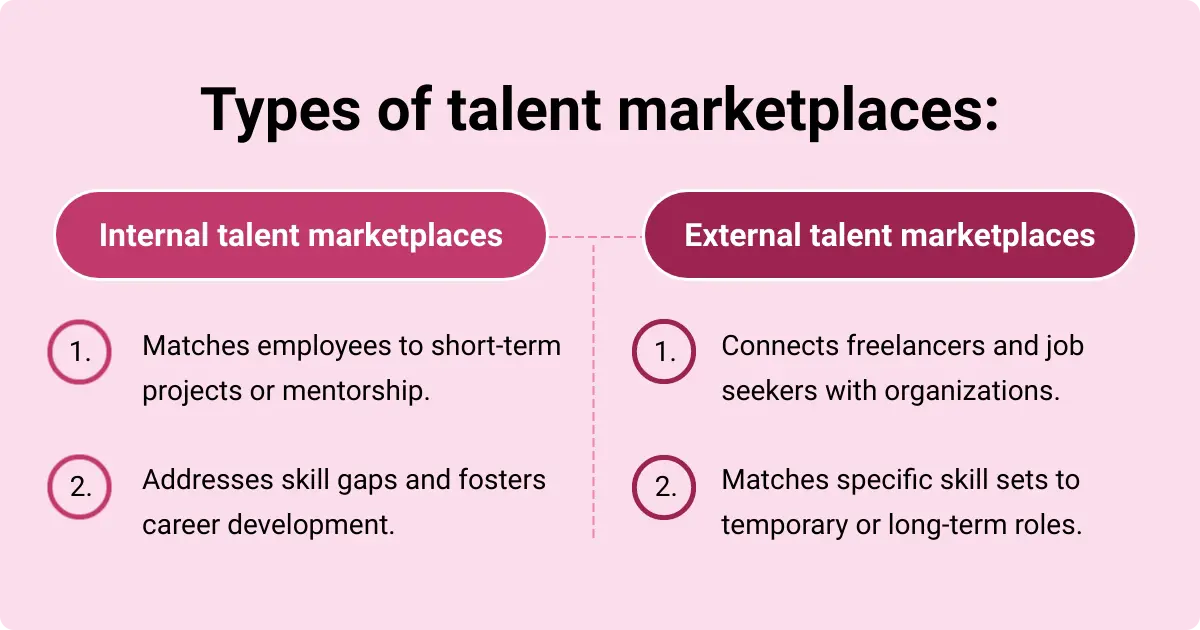
- Internal talent marketplaces: These are designed for use within a company to optimize the existing workforce by matching employees to short-term projects or mentorships, addressing skill gaps, and fostering career development.
- External talent marketplaces: These connect freelancers and job seekers with organizations seeking specific skill sets for temporary gigs or long-term roles.
Talent marketplaces cater to a variety of employment needs, accommodating the fluidity of modern career paths and the greater emphasis on work-life balance and job satisfaction that you now seek.
The role of AI in talent marketplaces
Artificial Intelligence (AI) has transformed talent marketplaces by enhancing platform capabilities and addressing concerns about bias and equity. Your understanding of how AI integrates with these systems, especially with providers like Mercer, will shape your experience in the evolving job market.
AI-enabled platform capabilities
AI technology within talent marketplaces primarily provides a skills-based approach to talent practices. Your interactions with these platforms are streamlined by features like automatic resume screening and matching capabilities.
Here, the AI-enabled platform efficiently processes large volumes of applicants' data to identify the most promising candidates for a position based on skills and experiences.
Examples of AI platform capabilities include:
- Predictive analytics: Leveraging past data to foresee future job fitment and success.
- Talent mapping: Using your skillset to navigate and suggest relevant career paths.
- Learning recommendations: Proposing courses and certifications tailored to enhance your career trajectory.
The latest innovation from Workhuman makes tracking and developing skills a breeze.
Powered by unique data from your recognition program, Workhuman iQ® analyzes text and works with the AI Assistant to:
- surface real-time insights from millions of recognition moments
- develop skill profiles across your organization
- provide guidance to promote skills aligned with your company values
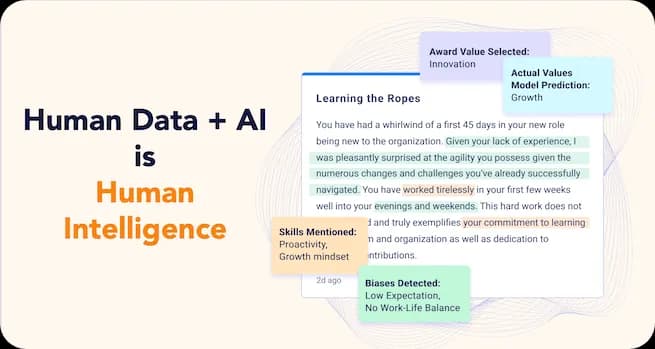
Get previously hidden insights with this first-of-its-kind recognition-specific language model combined with AI.
See everything you can achieve with Workhuman iQ & AI AssistantOpens in a new tab →
Bias and equity in AI solutions
While AI in recruitment has been revolutionary, it's crucial for you to recognize the potential for bias within these systems. Technology platforms must be designed with equity in mind, ensuring that the AI does not perpetuate inequalities in the recruitment process.
This requires continuous efforts to eliminate bias in algorithms by rigorously testing and adapting the AI models to be as objective as possible.
Mercer and AI integration
As a leader in the industry, Mercer's technology-enabled platform reflects the power of AI integration in talent marketplaces. Mercer uses AI to drive insights, from individual career development to organizational talent strategy.
As a user, you benefit from Mercer's data-driven tools that align your skills and potential with organizational needs.
Key features of mercer's AI integration:
- Skills inference: Automatic detection of your skills from your profile data.
- Gap analysis: Identifying and advising on closing the skill gaps that you may have.
- Workforce planning: AI tools that help in forecasting future talent requirements and inform strategic decisions.
Organizational strategy and talent marketplaces
Your organizational strategy must integrate talent marketplaces and a robust performance management solution to stay competitive in today’s evolving work landscape. These platforms facilitate talent management and acquisition, allowing for a dynamic future of work strategy that embraces iterative design and continuous customization.
Talent management and acquisition
Talent management within your organization is enhanced by a talent marketplace system that matches current employees with new opportunities.
By pinpointing the skills, experiences, and career aspirations of your workforce, you create an internal ecosystem that not only aligns with your organizational needs but also promotes employee retention and satisfaction.
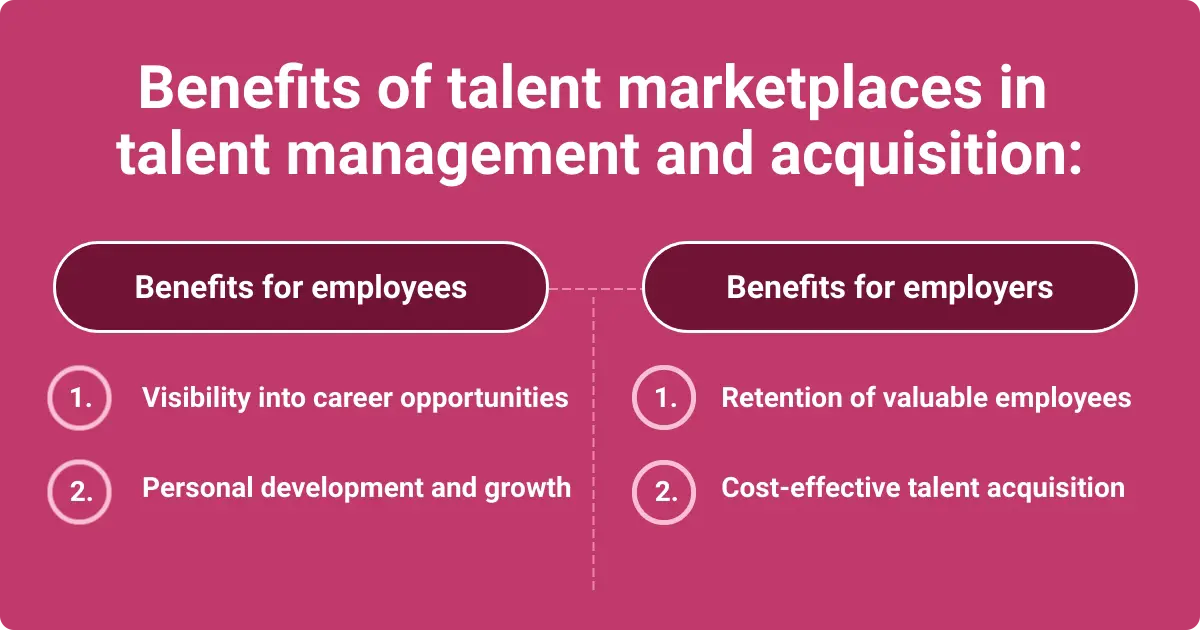
- Benefits for employees:
- Visibility into career opportunities
- Personal development and growth
- Benefits for employers:
- Retention of valuable employees
- Cost-effective talent acquisition
Developing a future of work strategy
Developing a robust future of work strategy requires acknowledging the shifting nature of work environments and roles. Talent marketplaces serve as a tool for your organization to respond to these changes by offering a variety of roles and opportunities in an accessible and agile manner.
- Key elements:
- Employee skill development
- Flexible work opportunities
Your strategy should anticipate future demands and foster a culture that supports continuous learning and adaptability.
Iterative design and continuous customization
Iterative design is crucial for the successful implementation of a talent marketplace. You should initially deploy a simple, functional version of your marketplace and then build upon it based on user feedback and organizational requirements. Continuous customization ensures that the platform remains relevant and beneficial to both your employees and the organization.
- Implementation stages:
- Launch a minimum viable product (MVP)
- Gather user feedback
- Refine and enhance regularly
Workforce development and upskilling
Workforce development and upskilling are essential strategies for modern businesses to maintain a competitive edge. By focusing on these areas, companies like yours can ensure employees have the skills and capabilities to adapt to new challenges.
Personalized learning and professional development
Your employees have unique learning styles and career goals, which require personalized learning paths. By leveraging internal talent marketplace platforms, you make it easier to match your employee development strategies and aspirations with the organization's needs.
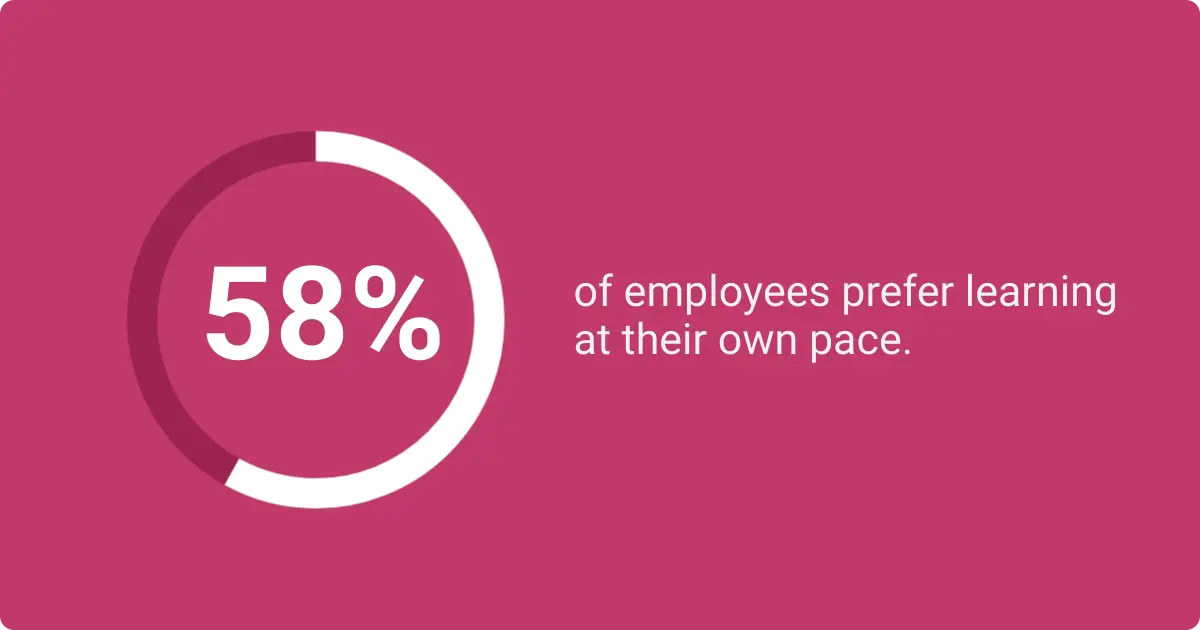
These marketplaces provide opportunities for employees to enhance their competencies. This encourages a culture of continuous improvement and alignment with business objectives.
Addressing skills gaps through reskilling
The rapid pace of technological change often leads to a skills gapOpens in a new tab within industries. To address this, you can implement reskilling programs that realign your workforce’s existing skill sets with emerging demands.
This not only bolsters your company’s agility but also contributes to employee retention, as workers are given the chance to grow rather than seek new opportunities elsewhere.
Schneider Electric's approach
Schneider Electric demonstrates a proactive approach to workforce development by establishing mentorship relationshipsOpens in a new tab. They emphasize real-time access to learning and professional development tools, which allow employees to manage their career paths and skill advancement.
By doing so, Schneider Electric ensures that their workforce is not only equipped with essential skills but also poised to lead innovation in their field.
Employee engagement and internal mobility
Within your organization, enhancing employee engagement and promoting internal mobility can be a critical part of talent retention and overall business success.
Career mobility and development
In your quest for career growth, the importance of internal mobility cannot be understated.
Internal talent marketplaces offer you transparent access to various roles, allowing you to take charge of your career development.
Organizations that encourage their employees to seek internal opportunities can help them acquire new skills, which may lead to higher engagement and reduce the likelihood of talent outflow.
Engagement through opportunity marketplaces
Seeing real-time opportunities within your company can boost your engagement level.
An opportunity marketplace not only gives you visibility into the available positions but also aligns with your professional aspirations and competencies.
This tool empowers you to take initiative and explore paths for advancement that you may not have considered within the traditional model of career progression.
UBS as a model example
UBS stands out as an exemplary model in implementing an effective internal talent marketplace.
By adopting this approach, they have been successful in creating a dynamic environment where you have the latitude to drive your own growth and transition into roles that suit your career objectives.
UBS's commitment to providing such platforms showcases the power of a well-crafted talent marketplace in enhancing career mobility and employee engagement.
Improving diversity, equity, and inclusion
When you implement talent marketplaces within your organization, you are committing to a transformative effort that enhances DEI. These platforms can promote diversity, ensure equal access and representation, and diversify succession planning and talent pools.
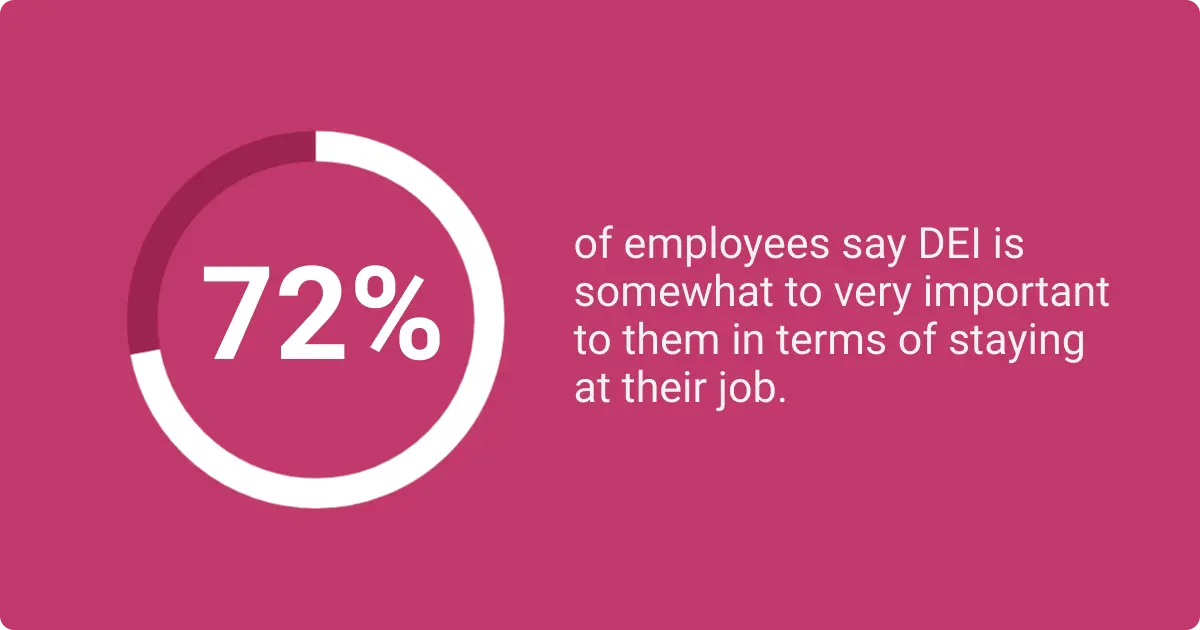
Cultural change for organizational agility
To improve organizational agility, it's crucial to embed a culture that values diversity and inclusion.
Creating an environment where your employees feel respected and valued regardless of their backgrounds can lead to a more agile and resilient organization.
Talent marketplaces can help by matching opportunities to skills rather than traditional networking, which tends to favor a less diverse group.
Promoting equal access and representation
It is important for your organization to provide equal access to opportunities for all employees.
An internal talent marketplace ensures that promotions, projects, and development programs are visible and accessible to everyone, breaking down silos and reducing biases.
This approach to equity in the workplace supports a variety of capable and diverse individuals, enhancing overall representation.
Succession planning and talent pool diversity
An effective succession plan considers a wide range of high-potential employees, which is a direct outcome of a diverse talent pool.
Building a diverse pipeline for future leadership roles is not only about gender, race, or ethnicity but also about diversity of thought and experience.
By leveraging talent marketplaces, you can recognize and advance diverse talent based on merit and strategic fit rather than tenure or other less inclusive factors.
Planning and executing talent programs
When you plan and execute talent programs, your focus should be on aligning them with organizational goals and ensuring they have support and understanding across all levels.
These programs are the building blocks for cultivating your workforce to meet current and future needs.
Designing effective talent programs
To design an effective talent program, start with a clear and strategic plan that outlines expected outcomes, required resources, and timelines.
Key elements of a talent program plan:
- Objectives: Defining what you want to achieve.
- Metrics: Establish how you will measure success.
- Resources: List what will be needed in terms of time, personnel, and budget.
Role of HR teams and business partners
Your HR teams and business partners are instrumental in executing the talent program.
Their role involves managing the process from designing the program to measuring its success post-implementation.
They must work collaboratively to ensure the program is integrated within all areas of the organization effectively.
Responsibilities of HR and business partners:
- Collaborating to create a cohesive plan.
- Ensuring alignment with organizational strategy.
- Managing resources and tracking progress.
Communication and transparency
Effective communication and transparency are critical to the success of any talent program. Keep all stakeholders informed of progress, challenges, and successes to maintain trust and engagement.
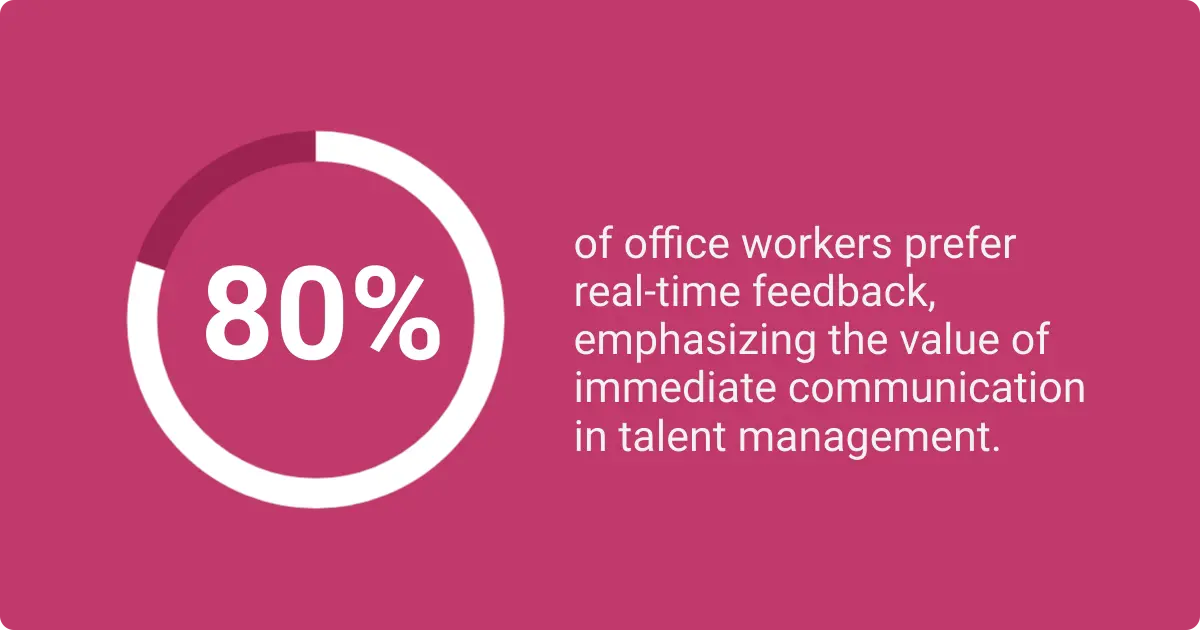
Clear communication channels ensure that everyone involved has the necessary information to contribute positively.
Communication checklist:
- Regular updates: Schedule and conduct regular check-ins.
- Open forums: Create spaces for questions and feedback.
- Clear messaging: Use precise language to avoid misunderstandings.
Managers as champions for talent mobility
In an effective talent marketplace, you rely on your managers to nurture an environment that allows talent to flourish. They become pivotal in advancing career progression and adapting to dynamic work requirements.
Fostering a growth mindset in teams
Your role as a manager in fostering a growth mindset within your team cannot be overstated.
By encouraging learning and resilience, you help your team members embrace challenges as opportunities to grow.
This approach is critical to nurturing a workplace where talent feels empowered to develop new skills and innovate.
Supporting career sprints and project-based work
Career sprints and project-based work offer a more flexible and dynamic approach to career development.
You can champion these by identifying opportunities within your organization and encouraging your team to take on short-term, impactful projects.
Redeployment and talent deployment strategy
Finally, strategize on talent deployment to ensure the right skills are in the right place at the right time.
As a manager, your understanding of individual team members' capabilities allows you to effectively guide their redeployment, aligning their ambitions with current and future business opportunities.
Your active role in this process is essential to developing a responsive and agile talent marketplace.
Metrics for success in talent marketplaces
Evaluating the efficacy of talent marketplaces involves a multi-faceted approach focusing on both employee outcomes and organizational performance.
Success metrics should align with strategic goals, encompassing retention, productivity, job satisfaction, and skills-based talent practices.
Measuring employee and organizational outcomes
To determine success in a talent marketplace, consider the following key performance indicators:
- Employee retention: Track longevity and turnover rates. High retention can indicate a well-matched employee-to-role fit facilitated by the marketplace.
- Productivity: Assess output volumes pre-and post-implementation of talent marketplaces. Improvement in productivity reflects the efficacy of matching the right skills with the right opportunities.
- Job satisfaction: Use regular surveys to gauge employee contentment. Higher satisfaction levels typically correlate with a well-functioning talent marketplace.
Software systems for talent analytics
Employing a software system tailored for predictive talent analytics is pivotal. Ensure your system features the most relevant metrics.
- Career skills inventory: A comprehensive database of employee skills is fundamental for effective matchmaking.
- Performance metrics: The system must track real-time performance data, rendering insights into personnel alignment and development needs.
- Talent mobility: Monitor the fluidity of talent within your organization to evaluate the adaptability of your workforce.
Retooling HR for modern workforce challenges
Adapting human resources for modern talent models involves:
- Adopting skills-based talent practices: Transition from traditional roles to a flexible model centered on skills and development.
- Building knowledge resources: Provide training and upskilling opportunities to keep pace with evolving market demands.
Case studies: Transforming talent marketplaces
In the realm of human resources management, case studies are invaluable for providing insights into practical applications and outcomes.
Specifically, the following cases will give you a look at how UBS and Schneider Electric have revolutionized their ability to manage and deploy talent through innovative marketplace platforms.
UBS's internal talent marketplace initiative
UBS, a multinational investment bank, launched an internal talent marketplace to enhance its organizational agility.
Leveraging this platform, they advanced their capacity to match employees with internal projects and roles that align with their skills and career aspirations.
Through this innovative approach, UBS experienced a cultural change, where employees felt more engaged and empowered to develop multi-directional career paths within the company.
Key achievements:
- Enhanced employee retention by providing clear internal mobility opportunities.
- Fostered a culture of continuous learning and development.
Schneider Electric: Building an agile workforce
Schneider Electric, the energy management and automation expert, initiated a talent marketplace to support its goals of building an agile workforce. Their approach centered around facilitating easy access to new opportunities for upskilling and cross-functional collaboration.
Conclusion
In the landscape of modern work, Talent Marketplaces stand as beacons of innovation, bridging the gap between evolving job roles and dynamic career aspirations.
Through strategic AI integration and comprehensive organizational strategies, these platforms not only cater to immediate workforce requirements but also pave the way for a future where flexibility, personal growth, and strategic alignment are at the forefront.
As we navigate this transformative journey, embracing Talent Marketplaces emerges not just as a trend but as a vital step towards cultivating a resilient, engaged, and future-ready workforce, heralding a new era of workplace agility and opportunity.

Workhuman Editorial Team
More by Workhuman Editorial TeamRecommended for you