
What Is Employee Relations? Learn Examples, Challenges, & Strategies
by Ryan Stoltz
Last updated
7 min read

Over the past few years, we’ve heard the phrase employee relations thrown around quite often. Simply put, it refers to the association between an employer and their workers.
This is a crucial aspect of any successful company. While it’s critical to business operations, many people find the concept tough to grasp.
That’s because the details can be a little vague and general. So, what is employee relations? If you’d like to learn more about the hot topic, you’ve come to the right place.
In this article, we’ll walk you through the ins and outs of employee relations. We’ll also cover why it’s incredibly important and a few strategies you can use today.
What is employee relations?
At its core, employee relations should foster a sense of community in your company. This is to boost employee retention, satisfaction, and productivity. We can look at employee relations in one of two ways. First up, it may be a dedicated department in your company that focuses on employee needs.
Other than that, the term may refer to strategies, policies, and theories designed to support workers and their interests. Finally, when discussing employee relations, you can deal with your workers as individuals or as a collective voice.
Why do employee relations matter?
There are many benefits to focusing on improving employee relations.
For starters, it can foster effective workplace communication. This is crucial to any business that’s trying to grow. Besides that, employee relations can reduce conflicts and boost worker morale and loyalty, as discussed in the article, '10 Proven Strategies to Boost Employee Morale and EngagementOpens in a new tab' by Slack. This is because addressing your staff’s needs can create a harmonious work environment.
This means your employees will be less likely to jump ship to other organizations. So, with a lower employee turnover rate, you won’t have to keep replacing your workers and holding interviews.
Aside from that, the strategies can enhance your reputation as an employer. When word gets out that you care about employee relations, chances are you’ll get more applicants.
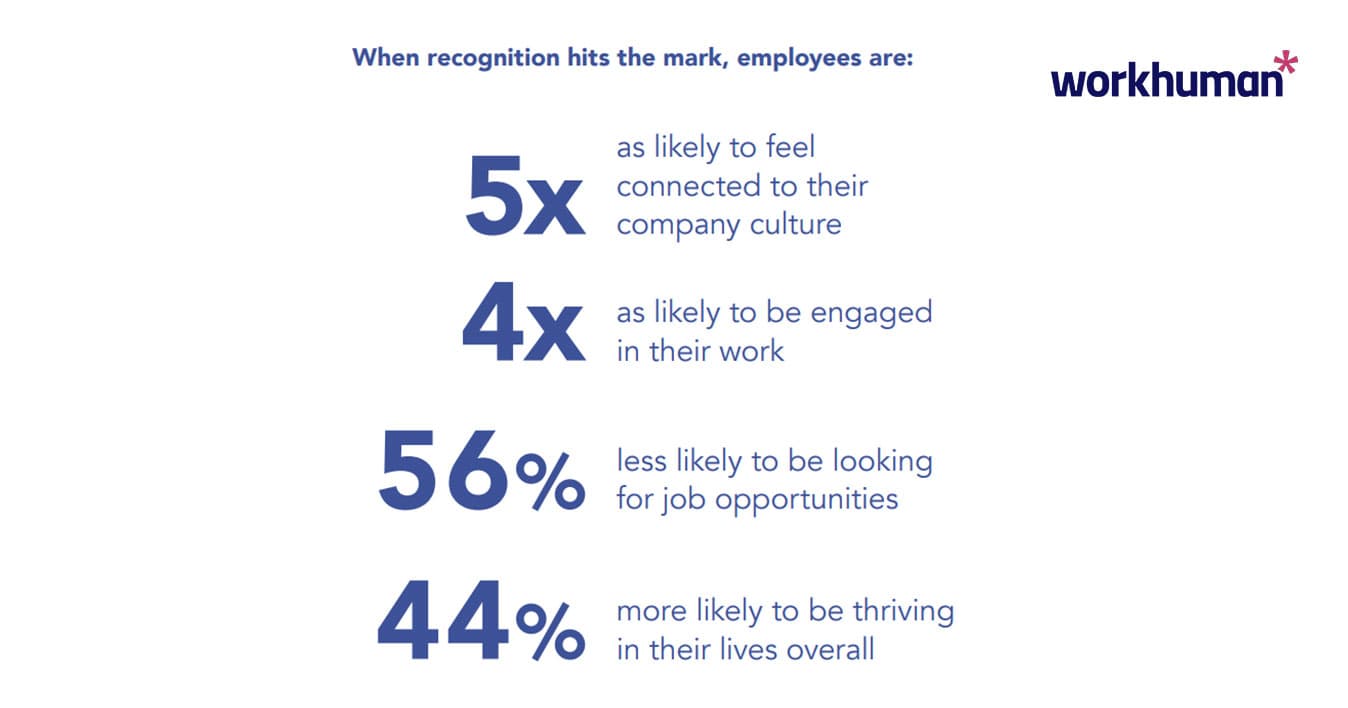
Finally, effective employee relations can improve your overall organizational performance. With a happy staff, your company’s productivity should be at an all-time high.
Employee relations examples
The definition of employee relations may make the concept a little easier to grasp. Yet, it’s still a bit vague and general. So, to help you better understand, let’s take a look at a few examples where employee relations can be helpful.
Employee onboarding
Joining a new organization is usually a little daunting for employees. Workers can be on edge until they learn the ropes and find their footing in your company.
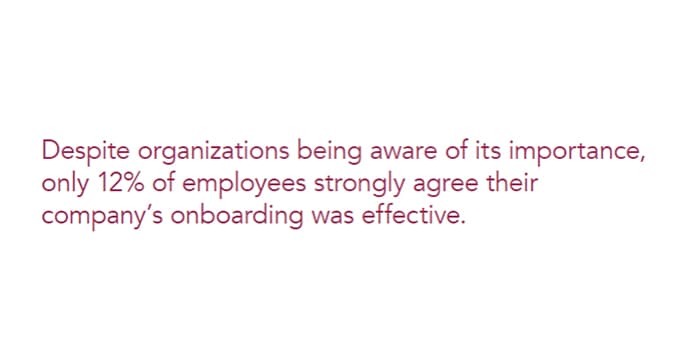
For that reason, it’s crucial that you make an excellent first impression. That’s why employee onboarding is exceptionally crucial. It’s the process where new hires get familiar with your operations, the other staff members, and the company culture.
This is a key stage of the employee life cycle and can significantly impact your business. Using it effectively can make your new workers feel included and like they’re part of the community.
So, fostering a stable employer-employee bond from the get-go can do wonders for productivity.
Workplace conflict management
No matter how harmonious your work environment is, conflicts are bound to happen. Employees may clash over schedules or assigned tasks. These may seem like trivial issues, but they can create friction and disrupt your workflow. It’s best to remember that no problem is too small in employee relations.
You should take all worker complaints and allegations seriously and conduct thorough investigations. That way, all your staff feels heard and that they’re a vital part of your organization. This can improve employee satisfaction.
That’s why you need constructive conflict management. It’s a set of formal procedures that you put in place to deal with worker disputes. Typically, a group of employee relations professionals will be in charge of the process. Their role focuses on guiding your staff through the formal paperwork and helping resolve conflicts.
Absenteeism
So, it’s critical to address this issue as soon as possible. Although, before you do that, you should understand why your workers are playing hooky. There are a few reasons for absenteeism. The most common culprit is employee burnout.
When your staff feels overworked or underappreciated, they may lose all motivation to show up at the office. Besides that, your employee may be going through personal matters. For instance, they may suffer from health issues that keep them away from work.
That’s when employee relations come into play. The department’s role is to ensure that you support your workers and find a way to make the workplace a safe space. This may mean restructuring work procedures to avoid overtaxing your employees.
Insubordination
While conflict is a natural part of any work environment, disobedience has no place in the office. Insubordination is when a worker refuses to obey an employer’s reasonable and lawful order intentionally.
This can undermine a leader's authority and break down effective communication channels. Besides that, it’ll put a significant damper on positive employee relations.
For that reason, you need to deal with the issue swiftly.
Insubordination can come in many forms. These include:
- Declining to complete a task
- Disrespecting superiors
- Failing to show up at work
- Leaving the office without prior notice
- Sabotaging the workflow
The consequences of insubordination should be clear and unbending. Usually, employers will take some form of disciplinary action to deter workers from disobedience.
This may include written warnings, verbal warnings, or pay docking. In severe cases, you may even need to terminate the employee’s contract.
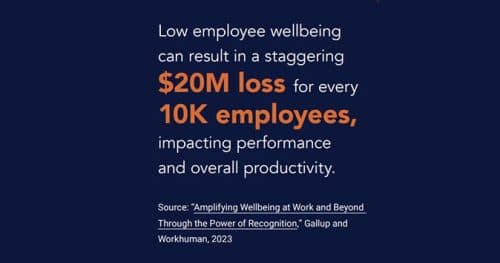
Exploring new ways to improve employee well-being
Employee relations also deal with the well-being of your workers. There are several initiatives that you can implement that’ll help keep your staff happy and healthy.
For instance, you may consider investing in employee assistance programs. These are dedicated systems that ensure your workers have access to professional help when they need it.
Besides that, employers can provide flexible work arrangements. This will give your workers a sense of control over their days, which should reduce stress in the office.
Moving on, it’s a good idea to offer paid mental health days. That way, your workers can deal with personal issues away from the office. Finally, consider sponsoring gym memberships. After all, we know the old saying: “A healthy body leads to a healthy mind.”
Extra-curricular initiatives
Ensuring that your staff is constantly operating in tip-top condition can be challenging. To make this easier, employee relations may want to consider implementing extra-curricular initiatives.
These activities will keep your staff on their toes, which should sharpen their critical thinking skills. Not only will that enhance employee well-being, but it can also promote workplace wellness. This can have a massive positive impact on your business.
It’ll boost employee engagement, morale, and even overall happiness.
Office health and safety procedures
When your workers enter the office, they’re your responsibility until they leave. So, you need to provide them with a safe environment that’s conducive to work.
Here are a few common safety measures that they may implement:
- First aid training
- Fire evacuation procedures
- Use appropriate safety equipment
- Emergency health services
Analyzing performance
Analyzing employee performance is one of the cornerstones of any successful business. An effective evaluation system can keep your workers sharp and on task.
Thankfully, employee relation professionals can help with that. They can keep an eye on your workers in countless ways. For example, they may conduct surveys and questionnaires to examine the workflow.
Other than that, they can rely on peer reviews or employer reports.
Maintaining positive relationships with employees
Maintaining positive connections with workers is a crucial aspect of running a successful business.
For starters, it’ll keep employee morale and spirits high. This can do wonders for staff productivity. Besides that, it’ll improve job satisfaction and reduce employee turnover rate. Not only will this help your workflow, but it can also boost overall business growth.
That’s why employee relations departments are so invaluable.
Legal compliance & regulations
Employee relations are there to protect you and your workers. So, to ensure that the department handles all matters fairly, it needs to comply with legal regulations.
This means, as an employer, you’ll need to understand and adhere to employment laws. That way, you’ll guarantee that your workers receive their rights and benefits. Doing so will keep your staff happy and satisfied with their work environment.
Here are a few legal considerations to keep in mind:
- Laws regarding working hours
- Minimum wage guidelines
- Discrimination regulations
Challenges faced in employee relations
At this point, you should know why employee relations are a key element of a successful company. Sadly, there are a few common issues that can get in the way of good employee relations.
Workplace conflicts & disagreements
While some conflicts may be healthy for your workers, too much friction can wreak havoc on your business. It’ll break down communication channels and disrupt normal workflow. Unfortunately, office disputes between workers are commonplace.
For instance, some employees may clash over working styles. Other than that, it may be an issue of discrimination or sexual harassment. Moving on, conflict can arise between employees and management. This may come in the form of a quarrel about workplace accidents, timekeeping, or attendance issues.
These problems can put a major damper on employee relations.
Unclear job roles & responsibilities
There’s a reason most large companies have a rigid hierarchy. It’s because unclear job roles can lead to confusion between your workers. If your employees don’t have a full understanding of their responsibilities, they may neglect them. This can cause a lot of frustration among your staff.
On top of that, your business’ productivity will plummet. That’s why you must clearly define job responsibilities. Plus, it’s important that you set performance expectations and provide regular feedback.
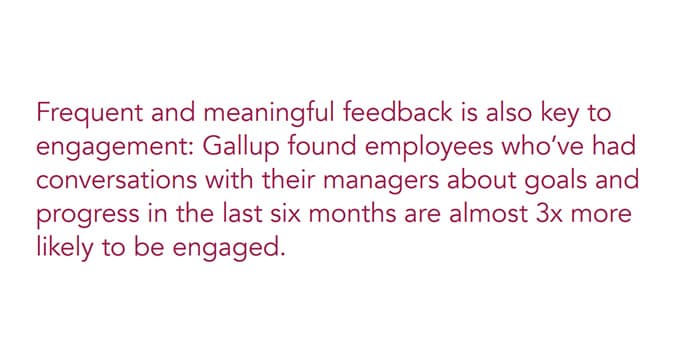
This will ensure that employees know their roles within your organization.
Poor communication & misunderstandings
Typically, when a conflict occurs in the workplace, it’s due to poor communication or misunderstandings. This can put a major strain on employee relations. It’ll make it next to impossible to create a harmonious connection with your workers.
To help you with that, here are a few common communication breakdowns in the workplace:
- Misinterpreting instructions
- Incomplete information or reports
- Lack of employee feedback
Unhappy/unmotivated employees
No matter how much time and resources you put into employee relations, if your workers are unhappy, your efforts will go in vain. Your staff will be less likely to connect with your organization if they’re unmotivated. This may lead to a high turnover rate and a poor company reputation.
The lack of motivation can be due to many reasons. For example, many workers find it difficult to stay engaged with a poor work-life balance. If they aren’t happy with their personal lives, chances are they won’t be too keen on the office.
Besides that, a lack of recognition can cause your staff to feel overworked and underappreciated. Plus, limited growth opportunities and ineffective communication can have the same effect.
What is an employee relations strategy?
Managing employee relations is a huge undertaking. That’s true even for a fully staffed and trained department.
Luckily, employee relations strategies can make the process easier. These are plans that help your employees understand and align with your company’s vision and mission.
This will make worker onboarding a breeze and aid in maintaining positive connections with workers.
There are a few key elements in a successful employee relations strategy. These include:
- Implementing performance metrics
- Addressing employee concerns
- Fostering a culture of recognition and appreciation
Moving on, there are many benefits to using a well-defined employee relations strategy. Some of the most notable examples are:
- Improved employee satisfaction
- Higher retention rates
- Increased overall efficiency
How to improve employee relations at your company?
We talked extensively about how employee relations can help your business. Now, it’s time we look at how to enhance your strategies.
There are several ways you can go about doing that. For starters, it’s important that you involve your team members in the decision-making process.
Moving on, it’s a good idea to encourage work sharing and effective communication.
Besides that, assign targets to individuals and promote collaborations. Plus, it’s crucial that you foster a positive and inclusive work environment.
FAQs
What skills does an employee relations professional need?
As an employee relations expert, there are a few traits that you need to master. Right off the bat, you should have exceptional communication skills.
Besides that, negotiation, analytical, and interpersonal skills need to be top-tier.
Is employee relations part of HR?
Employee relations is a sub-discipline of HR. That means they can both operate out of the same department.
Although, that doesn’t always have to be the case. If you’re dealing with a large corporation, it may have a separate employee relations division.
Wrapping up
What is employee relations? In simple terms, it refers to the relationship between an employee and the organization they work for.

Ryan Stoltz
Ryan is a search marketing manager and content strategist at Workhuman where he writes on the next evolution of the workplace. Outside of the workplace, he's a diehard 49ers fan, comedy junkie, and has trouble avoiding sweets on a nightly basis.